مقالات رزومه:

دکتر ناصرالدین علی تقویان

  • ناصرالدین علی تقویان*، حسین صولتی

    یکی از عللی که حیوان را مستحق خشونت می کند، تصور فقدان عقلانیت و سوژگی در آن است؛ اما اگر بتوان برای حیوان نوعی سوژگی را تشخیص داد، می توان به آینده ای امیدوار بود که حیوان دیگر تحت سیطره ی هیچ گونه آزار انسانی قرار نگیرد. در همین راستا، این پژوهش درنظر دارد مسیله و مخاطره ی تعامل میان انسان و حیوان را با رویکردی تازه و عملی در میان نهد. رویکرد کلی و روشی در این پژوهش «پدیدارشناسی» و به طور مشخص «پدیدارشناسی اخلاقی» است که پیامد آن طرح چهار سیوال درخصوص درد و رنج حیوان، مهر حیوان، حق حیوان و سوژگی حیوان است. بنابراین ترتیب و توالی این چهار امر را در پیوستاری می گذاریم که یک سرش از جنس حس و تجربه و سر دیگرش از جنس مفهوم و کلیت است؛ تا در نهایت به احکامی از جنس «کلی مشخص» دست یابیم. در مجموع، به منظور کاهش مرارت، شرارت و خباثت در تخیلی پدیدارشناسانه سوژگی حیوان را به نحوی تصویر می کنیم که ما را از زندگی ساقط نکند و نتیجه اش کاهش ظلم میان مدرک های حیات باشد. بدین ترتیب در این نوع استدلال نه انسان حیوان می شود و نه حیوان انسان. این یک قرارداد انسانی است در مقابل قرارداد طبیعی و الهیاتی که گامی به سوی اجتناب از «ته مانده های رفتار انسان غیرمدرن که حیوانات را ابزار می پندارند» برمی دارد. بنابراین مسیرکاهش شرارت برای انسان، پذیرش نوع و سطحی از حقوق برای حیوانات است.

    کلید واژگان: شرارت، حقوق حیوانات، درد، مهرورزی، حقوق، سوژگی
    Nassereddinali Taghavian *, Hossein Solati

    One of the reasons that make animals deserving of violence is the idea of a lack of rationality and subjectivity in them, but if it is possible to recognize some kind of subjectivity for an animal, we can hope for a future where the animal will no longer be under the control of any human abuse. In this regard, this research considers the problem and risk of interaction between humans and animals with a new and practical approach. The general approach and method in this research is "phenomenology" and specifically "ethical phenomenology", which results in adopting four questions regarding animal pain and suffering, animal love, animal rights, and animal subjectivity. Therefore, we put the order and sequence of these four things in a continuum, one end of which is sense and experience, and the other end is concept and generality so that we can finally reach "specific general" rules. Finally, in order to reduce the suffering, evil and malice in the phenomenological subjectivity, we depict the subject of the animal in a way that does not make us fall from life and the result is a reduction of cruelty among the subjects-of-a-life. In this way, in this type of argument, neither human becomes animal nor does animal become human. It is a human convention versus a natural and theological convention that takes a step toward avoiding the "residues of unmodern human behavior that treat animals as instruments." Therefore, the way to reduce evil for humans is to accept the type and level of rights for animals.

    Keywords: evil, Animal rights, Pain, Love, Rights, Subjectivity
  • پروانه آقاصفری، رمضان برخورداری*، علیرضا محمود نیا، ناصرالدین علی تقویان
    هدف پژوهش حاضر مقایسه رویکرد فرافرهنگی "زبان انگلیسی به عنوان زبان بین المللی"  با رویکرد شناختی "انگلیسی  به عنوان زبان خارجه" است.  روش پژوهش ، تطبیقی - تحلیلی و روش جمع آوری داده ها ، اسنادی (کتابخانه ای) با بهره گیری از رویکرد بولین برای جستجوی منابع اولیه و ثانویه بود. پژوهشگران برای تجزیه و تحلیل داده ها از روش پژوهش تحلیل فلسفی و برای ارایه نتایج از روش چهار مرحله ای جرج بردی سود جستند. اولین یافته نشانگر آن است که سنت شناختی در آموزش زبان از لحاظ زمانی بر سنت فرافرهنگی تقدم دارد. دومین یافته آشکار ساخت که رویکرد شناختی " زبان انگلیسی به عنوان زبان دوم " ، هنوز متاثر از آبشخورهای فکری فلاسفه ای همچون دکارت ، لاک و هیوم می باشد ، در حالی که رویکرد فرافرهنگی از نظریات حوزه های مختلف معرفتی و بین رشته ای فیض می برد. دیگر یافته تاکید می ورزد که رویکرد فرافرهنگی در تبیین ضرورت یادگیری زبان انگلیسی به عنوان زبان بین المللی از سازه های نظری مهمی همچون مفهوم سازی و طرحواره های فرهنگی استفاده کرد تا نشان دهد نگاه سیاست گزاران وبرنامه ریزی درسی به آموزش زبان انگلیسی باید از قلمرو فکری محدود تقسیم بندی زبان ها به " زبان اول و زبان دوم " خارج شود. بر اساس این یافته ها ، به برنامه ریزان درسی ایران پیشنهاد می گردد با کسست از رویکرد شناختی ، رویکرد فرافرهنگی "آموزش زبان انگلیسی به منزله زبان بین المللی " را در تدوین اسناد بالادستی و سیاست های آموزشی مدنظر قرار دهند چون اصول حاکم بر رویکرد فرافرهنگی با واقعیت های زندگی در هزاره جدید همخوانی بیشتر دارد.
    کلید واژگان: برنامه تحصیلی، رویکرد شناختی، زبان انگلیسی، زبان خارجی، زبان بین المللی، رویکرد فرافرهنگی
    Parvaneh Aghasafari, Ramazan Barkhordari *, Alireza Mahmoodnia, Nassereddinali Taghavian
    The purpose of current research is to compare the transcultural approach of "English as an international language" with the cognitive approach of "English as a foreign language". The research method was comparative-analytical and the data collection was based on documentary method by using the Boolean approach to search for primary and secondary sources. The researchers used the philosophical analysis research method to analyze the data, and the four-step Bereday’s method to present the results. The first finding indicates that the cognitive tradition in language teaching takes precedence over the transcultural tradition in terms of time. The second finding revealed that the cognitive approach of "English as a second language" is still influenced by the intellectuals of those philosophers such as Descartes, Locke and Hume, while the transcultural approach benefits from the theories of various epistemological and interdisciplinary fields. Another finding emphasizes that the transcultural approach in explaining the necessity of learning English as an international language used important theoretical structures such as conceptualization and cultural schemas to show that policymakers and curriculum planners should not look at English language education from the limited intellectual realm of dividing languages ​​into “first language and second language". Based on these findings, it is suggested to Iranian curriculum planners to break from the cognitive approach and consider the transcultural approach of "teaching English as an international language" in the compilation of upper-level documents and educational policies, because the principles governing the transcultural approach are more consistent with the realities of life in the new millennium.
    Keywords: Curriculum, cognitive approach, English language, Foreign Language, International Language, Transcultural Approach
  • پروانه آقاصفری، رمضان برخورداری*، علیرضا محمود نیا، ناصرالدین علی تقویان

    در مقاله حاضر تلاش شده است که عناصر نظری رویکرد فرا فرهنگی (انگلیسی به عنوان زبان بین المللی)  یادگیری زبان انگلیسی به عنوان زبان خارجه یا زبان دوم با نگاه به معرفی  فلسفه برنامه درسی زبان انگلیسی  به عنوان زبان خارجه تبیین  شود. محورهای اصلی مقاله  تعیین جایگاه  رویکرد یاد شده در میان رویکرد های موجود  و یژگی های متمایز آن در قلمرو فلسفه برنامه درسی  و نیز بررسی ظرفیت آن برای پاسخ به چالش ویژگی هژمونیک زبان انگلیسی در عصر جهانی شدن است.نتایج  پژوهش حاکی از این است که رویکرد فرا فرهنگی با تکیه به پژوهش های میان رشته ای  تبیینی مبتنی بر مفهوم سازی زبانی با تکیه بر طرحواره های فرهنگی یاگیرندگان و گویشوران غیر بومی به دست می دهد که به واسطه آن تنوعی از جهان های انگلیسی به رسمیت شناخته می شود.و  نوعی از محلی سازی انگلیسی شناسایی می شود.

    کلید واژگان: زبان شناسی فرهنگی، زبان انگلیسی به عنوان زبان بین المللی، فلسفه برنامه درسی زبان انگلیسی، مفهوم سازی فرهنگی
    Parvaneh Aghasafari, Ramazan Barkhordari*, Alireza Mahmmudnia, Nasseredinali Taghavian

    In the present study, an attempt has been made to explain the theoretical elements of the transcultural approach (English as an international language) to learning English as a foreign language or as second language by introducing the philosophy of the English curriculum as a foreign language.The main points of the study are to determine the position of this approach among the existing approaches and its distinctive features in the realm of curriculum philosophy and also to examine its capacity to respond to the challenge hegemonic features of English in the age of globalization. The results indicate that the transcultural approach based on interdisciplinary research, provides explanations based on linguistic conceptualization relying on the cultural schemas of non-native learners and speakers, through which a variety of English worlds are recognized. It is known as a kind of English localization..

    Keywords: cultural linguistics, English as an international language, English curriculum philosophy, cultural
  • Nassereddinali Taghavian*, Hamed Taheri Kia

    The present article aims to study the gender oppression of female students in the context of the existing relations at Iranian universities. University community is the only mixed community, gender-wise, in Iranian administrative-governmental settings, with a very different cultural diversity and circulation. Therefore, scores of situations, in which gender and sexual encounters are possible, arise amid everyday university relationships. Although the issue of male professors’ sexual and gender encounters with female students has been publicized in Iran, it has been mostly ignored in research studies. The present article focuses on an aspect of sexual and gender encounter that has been overlooked in different studies. To this end, ten universities were selected and in-depth interviews were conducted with 146 female students. The findings of the study show that when the Islamic cultural principle of gender relationship boundaries is regarded firmly or violated by male professors, the triad of ‘violence’, ‘discrimination’ and ‘exploitation’ will emerge, resulting in gender oppression toward female students.

    Keywords: oppression, university, female student, Iran
  • Nassereddinali Taghavian *
    In this article I have tried to conceptualize some problematic issues regarding the status of university in what I have named ‘world-epoch of virtuality’. In my view, world-epoch of virtuality has changed the meanings and functions of the concepts of time and space as well as the concepts of knowledge, science and education which traditionally dealt with in/and through university. So, it seems that the idea and functions of university are being changed. The concept of ‘topos’ is central to my account, because it encapsulates all the meanings related to time, space and knowledge.
    Keywords: topos, university, world-epoch of virtuality
  • بابک داریوش، ناصرالدین علی تقویان، سمیه جلیلی *، شادی محمدی

    فضا و محیط مصنوع نقش مهمی در شکل گیری هویت، ساختار فکری و فرهنگی و سبک زندگی افراد داشته و می تواند در ایجاد، تشدید و یا کاهش معضلات روانی و اجتماعی آن ها تاثیر گذار باشد. مقاله حاضر با هدف دستیابی به راهکارهایی جهت تسهیل روند هویت بخشی و کاهش تنش های فکری، اجتماعی و فرهنگی دانشجویان در فضا یا فضاهای آموزشی دانشگاه تهیه و تولید شده است. ساختار اصلی مقاله برآمده از یک تحقیق میدانی است. پژوهش در میان پنج دانشگاه منتخب دولتی در شهر تهران  به روش تحقیق آمیخته انجام شده و داده ها به صورت ترکیبی از دو روش مصاحبه و پرسشنامه گردآوری شده است. یافته های مصاحبه از اساتید دانشگاه ها و مسئولین و کارشناسان فرهنگی وزارت علوم، تحقیقات و فناوری با روش دلفی گلوله برفی و یافته های حاصل از پرسشنامه و مصاحبه در نیازسنجی از دانشجویان از روش نمونه گیری خوشه ایبه دست آمده و تحلیل یافته های این بخش با استفاده از نرم افزار SPSS صورت گرفته است. برای تحلیل وضعیت کنونی اجتماعی فضایی دانشگاه های مورد مطالعه نیز، با فعالان فرهنگی دانشجویی مصاحبه انجام شده است. نتایج نشان داد که از نظر خبرگان دانشگاهی، دو معیار «ایجاد حس تعلق» و «اجتماع پذیری» نسبت به عوامل دیگر اهمیت بیشتری دارد. دانشجویان نیز بر این باورند که فضاهای فرهنگی و اجتماعی و نیز کالبدی موجود در دانشگاه ها جواب گوی نیازهای آن ها نبوده و به مشکلاتی از قبیل نداشتن فضای کافی، امکانات و تجهیزات مناسب، عدم انعطاف پذیری، عدم وجود نور کافی در این فضاها اشاره داشته اند. در پایان نیز پیشنهاداتی برآمده از یافته های پژوهش، به صورت دسته بندی شده ارائه شده است.

    کلید واژگان: فضاهای آموزش عالی، هویت، امنیت، حس تعلق، اجتماعپذیری
    B. Dariush, N. Taghavian, S. Jalili *, Sh. Mohammadi

    Artificial space and environment play important roles in the formation of identity, intellectual and cultural structure and the lifestyle of the individuals and can influence the creation, intensification and/or reduction of their psychological and social problems. The present study has been prepared and produced with the objective of attaining solutions to the facilitation of identification process and reduction of intellectual, social and cultural stresses of the university students in academic educational space(s). The study is originally drawn on a field research. The research has been conducted herein on five selected state universities in Tehran based on a mixed survey method and the data have been collected using interviews and questionnaires. The findings of the interviews with the university professors, officials and cultural experts of the ministry of sciences, research and technology have been obtained based on snowball Delphi method and the findings of the questionnaires and interviews for performing students’ need assessment have been obtained based on cluster sampling method and this section’s findings have been analyzed using SPSS software. To analyze the current social-spatial status of the studied universities, as well, interviews were made with the academic cultural activists. The study results are indicative of the idea that two scales, namely creation of a sense of attachment and sociability, are of a greater importance as viewed by the academic experts, in contrast to the other factors. The university students, as well, were found believing that the cultural and social as well as the contextual spaces existent in the universities do not respond to their needs and such problems as shortage of sufficient space, facilities and appropriate equipment, inflexibility, inadequate lighting in these spaces were pointed out. In the end, suggestions will be presented in a classified manner based on the study findings.

    Keywords: higher educational spaces, identity, security, sense of attachment, sociability
  • ناصرالدین علی تقویان*
    این مقاله به بررسی رویکرد زیربنایی حاکم بر بخش های مربوط به آموزش زبان‎های خارجی در برنامه درسی ملی ایران می پردازد. روش بررسی در چارچوب رویکرد روش شناختی «نظریه انتقادی» می گنجد که هدف از آن آشکار کردن و سپس نقد سویه های ایدئولوژیک رویه ها و عملکردهای تربیتی در نظام های رسمی آموزشی است. داده ها از راه مطالعه اسنادی و جستجو در پایگاه های اطلاع رسانی رسمی به دست آمده اند. نتیجه بررسی حاکی از آن است که بخش های مربوط به آموزش زبان های خارجی در برنامه درسی ملی به دلیل توجه بیشتر به نظریه های نوین آموزش زبان دارای نقطه قوت است و از این رو  پیشرفت در آن به چشم می خورد، اما هم زمان از دو مشکل بنیادین نیز رنج می برد: 1. قرار داشتن در سپهر ایدئولوژیک اسناد بالادستی؛ به ویژه سند تحول بنیادین آموزش و پرورش، 2. بی توجهی به کسری هنجارمندی موجود در نظریه های آموزش زبان که برنامه درسی ملی بر پایه آنها استوار شده است؛ چنان که آن را از وجوه اخلاقی و هنجارین تهی می سازد.
    کلید واژگان: آموزش زبان خارجی، برنامه درسی ملی، نقد ایدئولوژی
    Nassereddinali Taghavian *
    This article examines the underlying approach of Iran National Curriculum to foreign language education. To this aim, it is necessary to refer to higher ranking writs such as ‘The Writ of Fundamental Development of Education’. The methodological approach of this article is ‘critical theory’, which seeks to reveal and criticize the ideological aspects of educational settings and practices. The data are mainly collected from the official documents about education, which have been obtained through library and data-base searching. The results of data analysis show that those parts of National Curriculum that are related to foreign language education have the advantage of taking into account the new theories of language education. However, at the same time it suffers from two crucial problems: 1) being affected by the ideological sphere of higher ranking writs, and 2) ignoring the normativity deficit inherent in the theories of language education which National Curriculum refers to. Therefore, the whole approach of National Curriculum to language education lacks the moral and normative aspects.
    Keywords: language education, National Curriculum, critique of ideology
  • ناصرالدین علی تقویان*، حامد طاهری کیا، مریم سادات پورمیرغفاری
    موقعیت های رویارویی جنسیتی در روابط روزمره دانشگاهی مسائل و مصایبی را ایجاد می کند که شایسته بررسی است. در این میان، مسئله چگونگی رویارویی جنسیتی استادان مرد با دانشجویان زن در کشور ایران و پیامدهای غیرعلمی آن اهمیت بسیار زیادی دارد. در پژوهش حاضر مصایب جنسیتی دانشجویان زن در زمینه روابط موجود در دانشگاه ایرانی بررسی شد. تمرکز این پژوهش بر مناسبات و زیست دانشگاهی بود که طی آن، مضمون ویژگی های رویارویی جنسیتی استادان مرد با دانشجویان زن، از نظر بروز و ورود به موقعیت های غیرعلمی، طبقه بندی و تحلیل شد. برای این منظور، با رویکرد مطالعات فرهنگی و به کارگیری روش کیفی، 146 مصاحبه عمقی با دانشجویان زن 10 دانشگاه تحلیل مضمون شد. پرسش های این مصاحبه ها ناظر بر پرسش از «حفظ حریم» در موقعیت هایی است که طی آن مناسبات علمی دانشجویی در روابط استادان مرد با دانشجویان زن به مناسبات غیرعلمی تحریف می یابند. یافته ها نشان داد که اصل حفظ حریم ارتباط جنسیتی در فرهنگ ایرانی وقتی توسط استادان مرد با قوت زیادی اجرا یا دچار گسست می شود، سه گانه خشونت، تبعیض و بهره کشی جنسیتی پدید می آید که برآیند آنها روی همرفته مصایب جنسیتی را برای دانشجویان زن به بار می آورد. یافته های این پژوهش می تواند در سطوح نظریه پردازی درخصوص کارکرد دانشگاه، سیاستگذاری دانشگاهی و در سطح اخلاق دانشگاهی نقش موثری داشته باشد.
    کلید واژگان: دانشگاه، دانشجوی زن، خشونت، بهره کشی، تبعیض
    Nassereddinali Taghavian*, Hamed Taherikia, Maryam Poormirghaffari
    This article is about studying girl students’ gender miseries in the Iranian university. The population of the university is the only mixed sex population in an official and governmental space in which the population is highly by cultural circulation and variations. Due to this fact, the gender encountering happens a lot through the everyday relations of the university. The gender encountering of the girl students with the male professors contains a crucial importance that has been remained silent at other inquiries; however there is some information of sexual exploitation, harassment and discrimination about girl students by male professors. This article mainly concerns about a type of gender encountering, in Iranian university community, which has not been studied before. For this reason, we analyzed 10 universities and conducted in-depth interview with 146 girl students. As the result, our findings demonstrate that the principle of regarding the gender privacy, based on the Iranian culture, by male professors, when it is performed so strictly or it is ruptured then it produces the triadic consequences of gender “harassment”, “discrimination” and “exploitation”. Thus, the inevitable result of these factors is the occurrence of gender misery for girl students.
    Keywords: Gender misery, University, Girl student, Harassment, Exploitation, Discrimination
  • ناصرالدین علی تقویان*
    آیا هویت میراثی به جای مانده از گذشته است یا انتخابی برای آینده؟ در این پرسش، مفهوم «زمان» پیش فرض گرفته شده است. ازاین رو، تحلیل مفهوم زمان نقطه عزیمت ماست. زان پس به بررسی نسبت مفهوم زمان با نظریه اجتماعی می پردازیم و برمی نهیم که جامعه شناسی نه علم «زمان» بلکه علم «مکان» است. علم «زمان» اما «تاریخ» است که در روایت هگلی اش نسبتی وثیق با پارادایم فلسفه آگاهی دارد. این پارادایم، اجازه تاسیس جامعه شناسی را نمی داد چرا که جامعه شناسی نظریه کنش است نه نظریه آگاهی. از همین رو، تاسیس جامعه شناسی در پایانه های سده نوزدهم اروپایی مقارن است با بحران فلسفه آگاهی. کانون این بحران نیز مفهوم «سوژه» بود، سوژه ای که خود هم بنیاد فلسفه آگاهی مدرن بود و هم کانون جامعه مدرن. اما مارکس، نیچه و فروید طومار سوژه را درهم پیچیدند و بدین سان جامعه مدرن را به بحران درانداختند. تاسیس جامعه شناسی پاسخی بود به این بحران. این تاسیس چرخش گاهی است که در آن از گران باری و زیان باری «تمپوسنتریسم» آگاه گشتیم و بر سودمندی «توپوسنتریسم» انگشت نهادیم. پس از این بحث نظری، به برخی از نارسایی های تلقی زمان محور از «هویت» در علوم اجتماعی ایران اشاره می کنیم و نشان می دهیم که چگونه این نارسایی ها گرانبار از گذشته است و ازاین رو ناتوان از نگریستن به آینده. ریشه ناتوانی جامعه شناسی ایرانی در پردازش «نظریه کنش» را نیز در همین نارسایی ها جست وجو می کنیم. جامعه شناسی ایرانی برای برون رفت از این بن بست و گشودن افق هایی نو در سپهر نظریه و عمل اجتماعی، چاره ای جز دست شستن از تلقی هویت «به سان میراثی از گذشته»، و برگرفتن آن همچون «انتخابی برای آینده» ندارد. سرآخر درباره مفهومی از هویت «بخردانه» و نسبت آن با علوم اجتماعی سخن می گوییم. افزون بر اینها، وجه میان رشتگی این مقاله در بررسی نسبت علومی همچون جامعه شناسی و تاریخ در چشم اندازی فلسفی بر زمینه تحلیل مفهوم های زمان و مکان توضیح داده می شود.
    کلید واژگان: هویت، زمان، مکان، نظریه اجتماعی، نظریه کنش
    N. Taghavian *
    Is identity a heritage inherited from the past or a choice for the future In this question, the concept of time is presupposed. Thus, my point of departure is analyzing the concept of time. Then the relation between the concept of time and social theory will be examined to maintain that sociology is the science of space rather than the science of time. History, however, is the science of time which, in its Hegelian version, has a strong connection with the paradigm of the philosophy of consciousnesses. This paradigm would not allow sociology to be established, because sociology is the theory of action rather than the theory of consciousness. For this very reason, the establishment of sociology in the late nineteenth century was contemporaneous with the crisis of the philosophy of consciousness. The focal point of this crisis was the concept of subject, which itself was both the base of modern philosophy and the focus of modern society. But Marx, Nietzsche, Freud and Romanticist Movement radically criticized the concept of subject and thus brought about crisis for modern society. The establishment of sociology was a response to such a crisis. It was a turning point by which we became aware of the heaviness and harmfulness of tempocentrism and instead point to the usefulness of topocentrism. After this theoretical discussion, some problems of tempocentristic approach to identity in Iranian social science will be referred to show how this approach is laden with the past, and therefore, unable to regard the future. The Iranian social sciences inability to develop an action theory seems to be rooted in its tempocentrism. In order to find a way out of this dead-end and open some new horizons in the sphere of theory and practice, the Iranian sociology need to throw down the approach to identity as a heritage from the past and adopt it as a choice for the future. Finally, I will discuss rational identity and its relation to social science.
    Keywords: identity, time, space, social theory, action theory
  • ناصرالدین علی تقویان*، یحیی قائدی، سعید ضرغامی، جواد غلامی
    در این مقاله می کوشیم برخی دلالت های رویکرد اجتماعی فرهنگی برای حوزه آموزش زبان را با نگاه به نظریه اخلاق گفتمان بازسازی کنیم. ایده محوری ما بر این دریافت استوار است که رویکرد اجتماعی فرهنگی با وجود دستاوردهای بسیاری که برای حوزه آموزش زبان داشته است، به دلیل فقدان منابع هنجارین لازم برای تبیین چگونگی رسیدن به فهم مشترک و توافق در میان کنش های زبانی، هنوز نتوانسته است آموزش زبان را واجد بعد اخلاقی و تربیتی درخوری سازد. بر این نکته تاکید می شود که این نقصان را می توان با نگاه به نظریه اخلاق گفتمان جبران کرد. سپس دلالت های این رویکرد هنجارگذار اجتماعی فرهنگی در سه حوزه پژوهش، تدریس و ارزشیابی آموزش زبان بررسی و کاویده می شود. در این سه حوزه، بر وجه اخلاقی آموزش زبان تاکید می شود.
    کلید واژگان: نظریه اجتماعی، فرهنگی، آموزش زبان، اخلاق گفتمان
    Naseeruddin Ali Taghavian*, Yahya Ghaedi, Saeid Zarghami, Javad Gholami
    In this article, we have tried to reconstruct some of the implications of socio-cultural approach for language education, with a view to the theory of discourse ethics.Our main concept is based on the idea that although socio-cultural approach has had many advantages for the field of language education, it has not been able to give a proper moral aspect to language education due to the lack of normative resources for explaining how to reach mutual understanding and agreements in linguistic interactions. It is emphasized that this deficit can be amended by the theory of discourse ethics. After all, the implications of this normative socio-cultural approach are explored in the areas of language-educational research, teaching and evaluation. The moral aspects of these three areas are highlighted.
    Keywords: Socio, Cultural Theory, Language Education, Discourse Ethics
  • ناصرالدین علی تقویان*، یحیی قائدی، سعید ضرغامی، جواد غلامی
    در این مقاله، بر پایه نظریه کاربردشناسی عام هابرماس، کوشیده ایم نشان دهیم که کاربردشناسی تجربی مرسوم در دانش زبان شناسی، در حوزه آموزش زبان خارجی از نقصان «کسری هنجارمندی» رنج می برد. کسری هنجارمندی به معنای فقدان منابع هنجارین برای داوری بر سر داعیه های اعتباری است که توافق بر سر آنها زمینه ساز رسیدن به فهم مشترک و برقراری هم رسانش های زبانی است. رویکرد کاربردشناسی تجربی به دلیل همین کسری هنجارمندی، نخواهد توانست نظریه و عمل آموزش زبان خارجی را واجد وجوه اخلاقی و تربیتی درخوری سازد. رویکرد میان رشته ای این مقاله، دامنه ای از فسلفه، تربیت، آموزش زبان و زبان شناسی را در بر می گیرد.
    Nasser Taghavian*, Yahya Ghaedi, Said Zarghami, Javad Gholami
    In this article، on the basis of Habermas’ universal pragmatics، we have tried to indicate that empirical pragmatics in linguistics، suffers from ‘normativity deficit’ in the field of foreign language education. What we mean by ‘normativity deficit’، is the lack of normative resources required for judging the validity claims inherent in social interactions. Since agreement on the validity claims is fundamental for reaching mutual understanding and establishing linguistic communications، empirical-pragmatic approach، due to its ‘normativity deficit’ would not be able to give proper moral-educational thread to the field of foreign language education.
    Keywords: Empirical Pragmatics, Universal Pragmatics, Normativity Deficit, Communicative Language Education
  • ناصرالدین علی تقویان
    در این جستار، مشکل عمده اجرای طرح ها و پژوهش های میان رشته ای در این نکته دیده شده است که در این گونه طرح ها در نهایت دو نوع الگوی روش شناختی در برابر هم صف آرایی می کنند که همانا روش شناسی کمی مورد استفاده در علوم طبیعی و روش شناسی کیفی مورد استفاده در علوم انسانی و اجتماعی است. این مشکل، کار را به جایی رسانده است که گفت وگوی سودمند و سازنده میان متخصصان وابسته به هر یک از این دو الگو در یافتن زبانی مشترک برای رسیدن به چشم اندازهایی درخور که راهگشای حل مسائل و مشکلات انسانی و اجتماعی باشد، به بن بست رسیده است. مساله ترجمه پذیری نیز در سایه همین مشکل سر برمی آورد و ازاین رو توجه به زبان و معیارهای ارتباطی آن در کانون توجه قرار می گیرد. در این جستار نخست به بیان ریشه های چنین مشکلی پرداخته شده و ضمن برشمردن ویژگی ها و نیز بنیان های نظری هر دو الگو، بن بست ارتباط میان این دو الگو واکاوی و تحلیل می شود. سپس با بهره گیری از نظریه کنش ارتباطی و کاربردشناسی جهانی و بر پایه معیارهای نظریه انتقادی، راه برون رفت از این بن بست، در کاربست روش «فهم انتقادی» دیده شده است. روشن است که الگوی روش شناختی خود این جستار همانا روش شناسی ارتباطی برآمده از آرا و اندیشه های هابرماس است.
    کلید واژگان: روش شناسی، روش، کنش ارتباطی، کمیت گرایی، کیفیت گرایی، فهم انتقادی
    The major problem in conducting interdisciplinary research projects is that in these projects two methodological model deploy against each other: quantitative method used in natural sciences on the one hand، and qualitative method used in human and social sciences on the other hand. As a result of such a problem، useful and constructive dialogue among the experts of different scientific fields seems to have reached a deadlock. The problem of ‘translatability’، too، has emerged out of the above problem. So، paying attention to language and its communicative criteria has come to focus. In this article، firstly، by considering the roots of such a problem and mentioning the theoretical foundations of the both methodological models، the deadlock of communication between scientific fields have been analyzed. Then، from the perspective of the theory of communicative action and universal pragmatics based on the critical theory، it is proposed that applying the method of ‘critical hermeneutics’ can break the deadlock. Not to mention that the methodological model of this article itself is based on Habermas’s communicative research method.
    Keywords: Methodology, method, communicative action, critical hermeneutics
فهرست مطالب این نویسنده: 12 عنوان
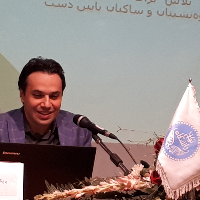
  • دکتر ناصرالدین علی تقویان
    دکتر ناصرالدین علی تقویان
    استادیار پژوهشکده مطالعات فرهنگی و اجتماعی، پژوهشگاه مطالعات فرهنگی و اجتماعی وزارت علوم، تحقیقات و فناوری، ، ایران
نویسندگان همکار
بدانید!
  • این فهرست شامل مطالبی از ایشان است که در سایت مگیران نمایه شده و توسط نویسنده تایید شده‌است.
  • مگیران تنها مقالات مجلات ایرانی عضو خود را نمایه می‌کند. بدیهی است مقالات منتشر شده نگارنده/پژوهشگر در مجلات خارجی، همایش‌ها و مجلاتی که با مگیران همکاری ندارند در این فهرست نیامده‌است.
  • اسامی نویسندگان همکار در صورت عضویت در مگیران و تایید مقالات نمایش داده می شود.

درخواست پشتیبانی - گزارش اشکال